24/7 grease trap & interceptor service

Grease Trap Cleaning Grand Prairie TX

Our crews handle grease trap cleaning Grand Prairie TX kitchens need to stay on the pumping schedule written into their health permits. We work from the pho shops near Pioneer Parkway to the warehouses of the Great Southwest Industrial District, pumping each unit fully and leaving the signed paperwork the city expects. Call (945) 403-4764 to get on the schedule.

Call (945) 403-4764Dispatch answers day and night
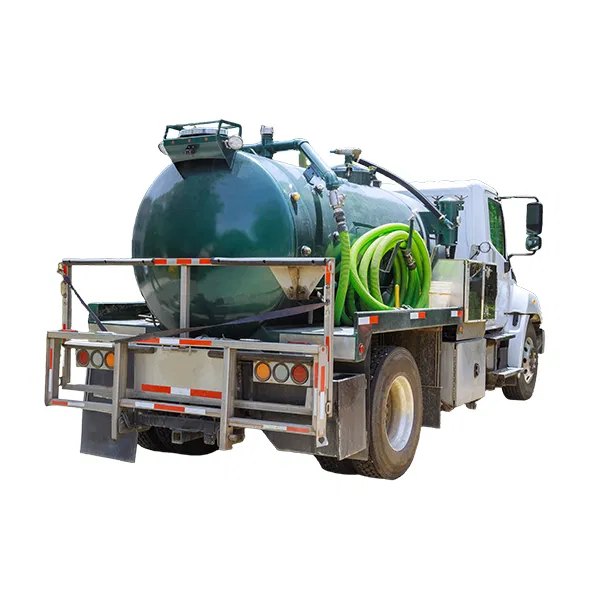
Grease Trap Cleaning Grand Prairie TX vacuum pump truck with suction hose ready for a kitchen grease trap pump-out

Grease cap creeping toward the outlet? Talk to a dispatcher now.

Call (945) 403-4764

Grease Trap Cleaning Grand Prairie TX under the city's Environmental Quality rules

In this city, grease traps are handled by the Environmental Quality division of the Public Health and Environmental Quality Department, the same office that issues food service permits. Instead of leaving the interval to a rule of thumb, the ordinance sets a required service schedule by type of business in Chapter 13, Article IX, Section 13-154(d), and your pumping frequency is printed right on your health permit.

The published schedule is blunt: food manufacturers and kitchens serving fried food pump monthly, fast food restaurants monthly or quarterly depending on meals served, full-service restaurants quarterly, and childcare facilities twice a year. An operator who believes the schedule is too frequent can submit a formal written waiver request to the department director. Many kitchens still need grease trap pumping more often than the permit minimum, because the 25 percent rule promoted by Defend Your Drains North Texas can be reached well before the calendar date.

Only liquid waste haulers holding a current city permit may pump a trap here. Haulers must show a TCEQ registration, pass a vehicle inspection, pay a per-truck fee and buy city trip ticket books. Managers are told to ask to see the permit, and you are welcome to ask ours.

After service, the manager or owner signs the manifest. The gold transport copy stays with you right away, the pink disposal copy should come back within 15 days, and both must be kept on site for at least two years. Wastewater from the city flows to the Trinity River Authority's Central Regional and Mountain Creek regional systems, so grease that escapes your trap travels through miles of shared pipe.

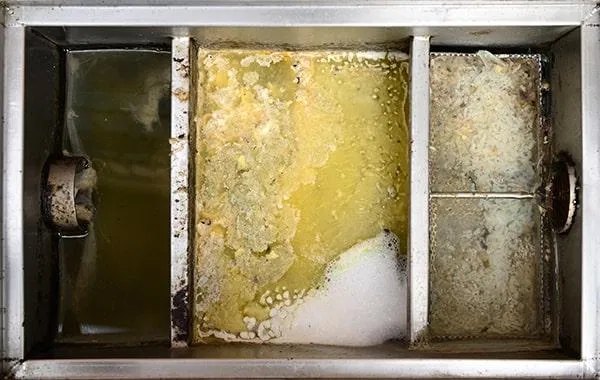
Stainless steel grease trap with baffles in a Grand Prairie commercial kitchen

Pump-out due this week? Get on the schedule with one call.

Call (945) 403-4764

Grand Prairie grease trap demand by neighborhood and cuisine

Along West Pioneer Parkway, Asia Times Square and the surrounding plazas hold one of the largest Asian dining clusters in North Texas: pho kitchens, Chinese barbecue, hot pot, Korean grills and bakeries. Pho and bone broths simmer for hours and release beef fat that stays emulsified until it cools inside the trap, then hardens into a thick cap. Roast duck and pork add rendered fat, and bakeries contribute butter and shortening that cling to baffles.

Carrier Parkway, Main Street and the older Great Southwest Parkway centers mix Tex-Mex, taquerias, wing spots and family diners. Fryer oil, lard in beans and tortillas, and heavy food solids dominate there, which is why so many of these kitchens fall under the monthly fried-food schedule.

On the east side, Lone Star Park and the Texas Trust CU Theatre feed crowds in waves, with concession kitchens that sit quiet between race meets and concerts. To the south, EpicCentral pairs restaurants with The Epic waterpark and the PlayGrand Adventures playground, and summer traffic loads those traps hard. Grand Prairie Premium Outlets at I-20 and State Highway 360 runs a food court where several fryers share one plumbing system.

Inside the Great Southwest Industrial District, food processors, commissaries and large employee cafeterias generate greasy wastewater on production schedules rather than meal rushes, and the monthly manufacturer schedule reflects that.
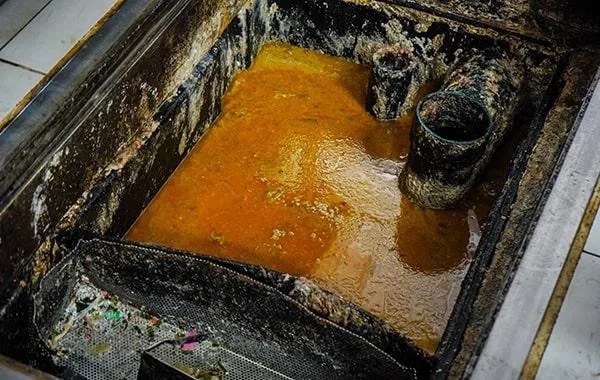
Open grease trap with orange grease and pipes at a Grand Prairie restaurant

Overflowing trap or a backed-up floor drain? We answer around the clock.

Call (945) 403-4764

Local conditions that shape Grand Prairie grease trap service

The city stretches from the Trinity River bottoms in the north to Joe Pool Lake in the south, crossing three counties. Summer heat keeps grease soft enough to drift toward the outlet, while hard freezes like February 2021 can solidify a cap and crack shallow laterals. Blackland clay swells after spring storms and shrinks in drought, shifting older pipes in neighborhoods built in the 1950s and 1960s near downtown.

Seasonal swings are sharp. Marina concessions and lakeside spots near Lynn Creek Park and Loyd Park on Joe Pool Lake run hard from Memorial Day to Labor Day, then slow. Traders Village and the EpicCentral restaurants peak on weekends, and event nights at Lone Star Park push concession kitchens far past normal volume.

Industrial sites near the airport, along the State Highway 161 corridor and in the Great Southwest district often have large in-ground units that need grease interceptor cleaning with a full vacuum truck, traffic cones and attention to plant safety rules and shift changes.

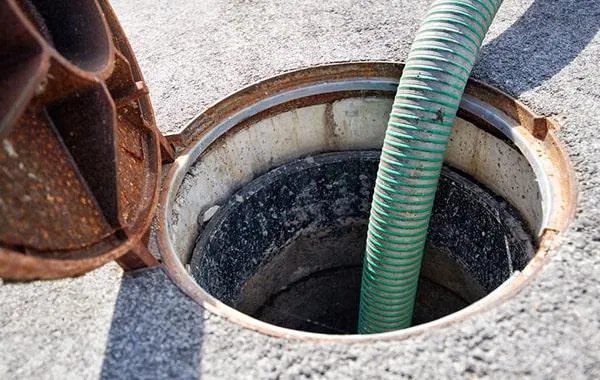
Grand Prairie manhole grease interceptor serviced with a green suction hose

Inspector visit coming up? Call and we will set the date.

Call (945) 403-4764

What happens during a Grand Prairie grease trap visit

We start by confirming the schedule printed on your health permit, so every round of grease trap cleaning counts toward compliance instead of guessing.

Before we leave, the manager signs the trip ticket and keeps the gold copy, and we explain anything that suggests the schedule should tighten.

  • Measure the grease cap and solids layer first
  • Pump the trap completely, not just the top
  • Scrape baffles, walls, inlet and outlet
  • Check lids, gaskets and outlet flow
  • Hand over the signed manifest copy

Need a full pump-out tonight after close? Crews run 24/7.

Call (945) 403-4764

Grease Trap Pumping in Grand Prairie, TX

Grand Prairie restaurants on the monthly fried-food schedule need grease trap cleaning that empties the unit completely every time. We pump under-sink and in-floor traps down to the bottom, scrape the walls and baffles, and leave the gold copy of the manifest so your permit schedule stays documented for the next Environmental Quality visit.

How grease trap pumping works →

Grease Interceptor Cleaning in Grand Prairie, TX

Outdoor interceptors behind Pioneer Parkway plazas, outlet food courts and industrial cafeterias build a grease mat that hardens in the summer heat. Our crews break it up, pump every chamber, wash the interior and check tees, baffles and lids, so property managers know exactly what condition the unit is in.

How interceptor cleaning works →

Grease Interceptor Pumping in Grand Prairie, TX

Food manufacturers and high-volume kitchens in the Great Southwest Industrial District often need monthly interceptor pumping to match the city schedule. We set recurring dates around production runs and shift changes, haul every load under our city liquid waste permit, and keep your trip tickets organized for your two-year file.

How interceptor pumping works →

Ready for a full pump-out with a signed trip ticket? Call us.

Call (945) 403-4764

Where we provide Grand Prairie grease trap service

We cover the whole city, from the Great Southwest Industrial District and Lone Star Park in the north to downtown, Pioneer Parkway, EpicCentral, the outlets on I-20 and the Lake Ridge and Joe Pool Lake area in the south. Trucks run along I-30, State Highway 161 and State Highway 360 to reach every corner of town.

Questions about your trap size or interval? Ask a technician.

Call (945) 403-4764

Grease Trap Cleaning Grand Prairie TX: frequently asked questions

How does the 25 percent rule actually work inside a trap?

Grease floats and food solids sink, leaving clearer water in the middle that flows out. When the floating cap plus the bottom layer reach a quarter of the liquid depth, that middle zone gets too thin and grease starts escaping. In Grand Prairie, a kitchen can hit that point before its permit date, so the earlier trigger should win.

Are slow sinks a sign our Grand Prairie trap is overdue?

Often, yes. When a trap is overloaded, the grease cap blocks the inlet or the outlet tee, and sinks drain slowly before anything overflows. Slow drains can also come from a sagging lateral in older parts of the city where clay soil shifts. If grease trap cleaning restores normal flow, the trap was the cause; if not, the line needs a look.

Do under-sink hydromechanical units follow the same schedule here?

The permit schedule applies to the business, not the unit size, so a small under-sink interceptor at a Grand Prairie taqueria still needs service on the monthly or quarterly date. These units hold only a few gallons of grease, so they often need attention between pump-outs. We clean them fully, including the flow control fitting and the internal baffle.

Where do we find our required pumping frequency in Grand Prairie?

It is printed on your food service health permit issued by the Public Health and Environmental Quality Department. The interval depends on your business type: monthly for fried food and food manufacturing, monthly or quarterly for fast food, quarterly for full-service restaurants and twice a year for childcare centers. If the permit is unclear, call the department.

Can a restaurant ask the city for a less frequent schedule?

Yes. Under Section 13-154(d), an owner can submit a formal written waiver request to the department director. Expect to show that your trap stays below its limits between pumpings, which means keeping clean manifests and measurements. We can record grease and solids depth at each visit so you have numbers to support the request.

What are the gold and pink copies we get after a pump-out?

Grand Prairie's trip tickets come in parts. The gold copy is the transport receipt the manager receives right after service. The pink copy is the disposal receipt showing where the waste went, and it should come back to you within 15 days. Both stay on site, ready for inspection, for at least two years.

How can we tell if a hauler is allowed to pump traps in Grand Prairie?

Ask to see the city liquid waste hauler permit. Grand Prairie requires each hauler to hold a TCEQ registration, have every truck inspected, pay a per-vehicle fee and use city trip ticket books. The Environmental Quality division also publishes a list of permitted haulers you can check before letting anyone pump.

What makes bone-broth and barbecue counters along Pioneer Parkway outrun their permit date?

Long-simmered bone broths carry fat that stays suspended while the water is hot, then separates and hardens once it cools inside the trap. Add rendered duck and pork fat from barbecue counters and the cap builds quickly. Many Pioneer Parkway kitchens need service more often than their quarterly permit date would suggest.

How should Lone Star Park and Texas Trust CU Theatre vendors plan service?

Event kitchens work in bursts, so a calendar-only plan can miss the real load. We suggest pumping before a big race weekend or concert series so the trap starts empty, and again afterward if fryer volume was heavy. That keeps grease from sitting for weeks in a trap that went quiet after the crowd left.

Do kitchens at Joe Pool Lake need extra summer service?

Usually. Marina snack bars and lakeside restaurants near Lynn Creek and Loyd Park see most of their volume between late May and early September. Summer heat keeps grease soft and mobile, so it slips through faster. A tighter summer interval, then a return to the permit minimum in fall, matches how those kitchens actually run.

Do food plants in the Great Southwest Industrial District follow the monthly rule?

Food manufacturers in Grand Prairie are on the monthly schedule, and many plants need large in-ground interceptors rather than small traps. Production runs, cleaning shifts and sanitation chemicals all affect how grease behaves. We schedule around shift changes and plant safety requirements, and pump every chamber so monthly service actually removes the accumulated load.

Does the Grand Prairie Premium Outlets food court share one trap?

Food courts often send several tenants into common plumbing, though many also have individual traps under each counter. Each operator's permit schedule still applies. We coordinate access with center management and document each tenant's service separately, so if a backup happens, every restaurant can show its own trip tickets instead of arguing over shared blame.

One call books the truck, the crew and the paperwork.

Call (945) 403-4764

Grease trap service in cities around Grand Prairie

We also serve the cities that border Grand Prairie and share its regional wastewater systems. Choose a nearby city below for its local rules.

Kitchen drains slowing down? Call before it backs up.

Call (945) 403-4764
Call now