Grease Trap Cleaning Garland TX under Chapter 22 of the city code
Garland writes its grease rules into the Health chapter of the city code. Chapter 22, Article VII (the general disposal standards) covers grease traps, interceptors and separators, liquid waste transporters and disposal sites. The Health Department and its director act as the approving authority, so the inspector who checks your trap is often the same office that issues your annual food service permit. Whatever slips past your trap flows to the city-run Rowlett Creek or Duck Creek treatment plant.
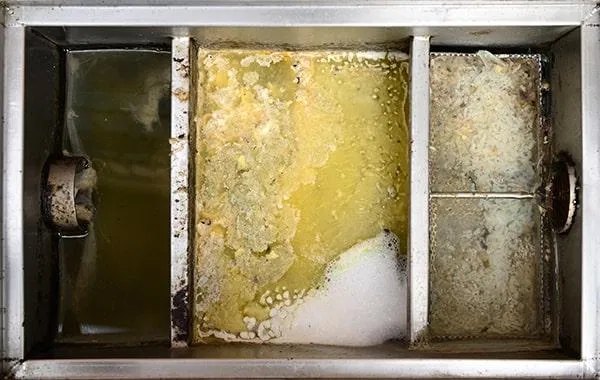
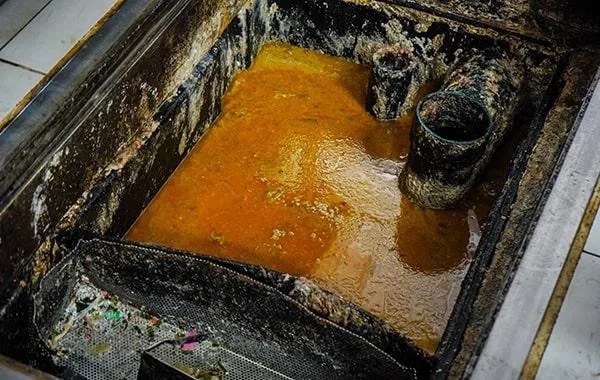
Section 22.116 requires a trap at every new food establishment and at existing ones that change ownership. The device has to sit outside the building footprint, be sized by an engineer, master plumber or architect, and stay easy to reach for service. The pump-out clock is strict: a full evacuation at least every 90 days, or sooner once floating grease and settled solids fill 25 percent of the wetted height, measured from the bottom of the unit to the outlet pipe invert. Past violations or high discharge results pull the date forward.
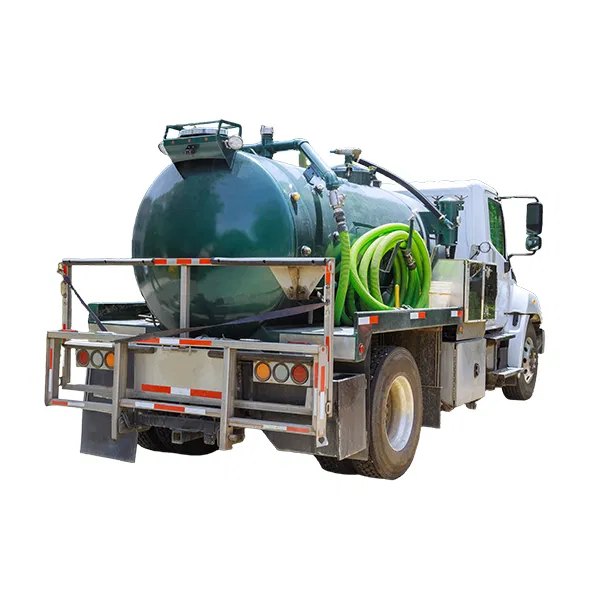
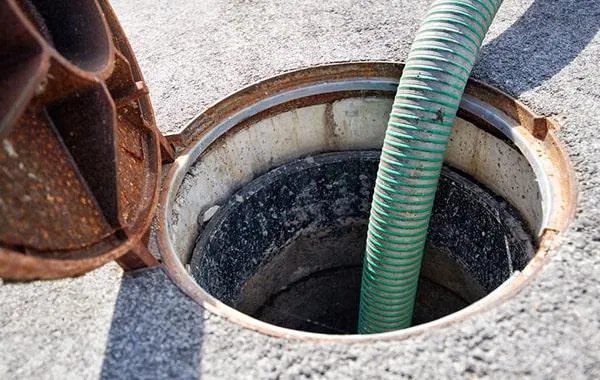
Owners with clean history can ask the Health Department in writing for a longer interval, but even an approved exception tops out at 180 days between full cleanouts and inspections. We note the measured grease and solids depth on every visit, which supports an extension request or shows when a shorter cycle fits better. Our grease trap pumping visits are always a full evacuation, never a skim of the top layer.
Paperwork follows Garland's four-part trip ticket system. The transporter must hold a liquid waste permit issued by the City of Dallas or the City of Fort Worth, you sign the ticket at pickup, and you keep your copy on the premises for at least two years. Regular grease trap cleaning with complete tickets is the simplest way to pass an inspection.