Grease Trap Cleaning
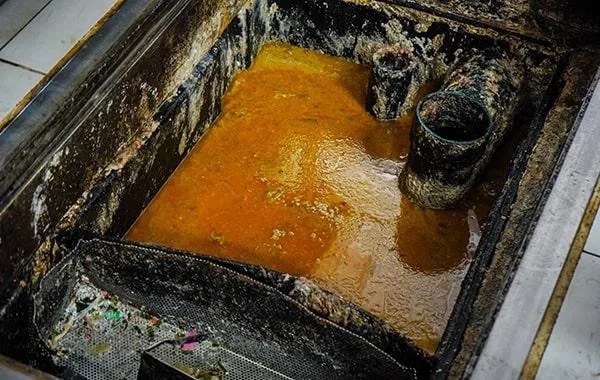
A grease trap is a small tank, usually under a sink or set into the kitchen floor, that slows warm wastewater so fats, oils and grease float and food solids sink before the water reaches the sewer. Cleaning it means emptying and scraping it completely, not skimming the top.
Inspector visit coming up? Call and we will set the date.
Call (945) 403-4764What a proper cleaning includes
A thorough service starts by measuring the floating grease cap and the settled solids so you know how fast the trap is loading. The technician then removes the full contents of every chamber, scrapes the walls, lids and baffles, and clears the inlet and outlet fittings so water can move freely again.
Before the lid goes back on, the gasket and bolts are checked and any cracked baffle or missing outlet tee is noted. You sign the manifest, keep your copy, and file it where an inspector can see it.
- Measure grease and solids depth
- Remove the full contents, not just the top layer
- Scrape walls, baffles and lids
- Clear inlet and outlet fittings
- Check gaskets, bolts and tees
- Leave a signed manifest
Need a full pump-out tonight after close? Crews run 24/7.
Call (945) 403-4764Why skimming is not enough
Skimming the floating layer leaves solids at the bottom, which shrink the working volume of the trap and send grease downstream sooner. Most local programs therefore expect a complete pump-out at each service. Partial cleanouts also tend to leave sour, acidic water that attacks concrete and metal parts.
A trap that is emptied fully on a steady schedule holds its rated capacity, smells less and gives your drains the best chance of running clear between visits.
Ready for a full pump-out with a signed trip ticket? Call us.
Call (945) 403-4764Signs a trap needs attention
Slow sinks, a sour smell near the dish pit, grease showing at a floor drain, or a lid that has started to bulge are all signs the trap is close to full. So is a jump in fryer volume, a menu change or a longer operating day. When in doubt, have the depth measured; it takes only a few minutes and settles the question.
Questions about your trap size or interval? Ask a technician.
Call (945) 403-4764Related services
Cleaning is the full job; pumping is the removal step inside it. Larger outdoor tanks have their own procedures, explained on the pages below.
One call books the truck, the crew and the paperwork.
Call (945) 403-4764Cities we serve
Every city in our area writes its own grease rules. Pick yours to see the local cleaning interval, permits and record keeping.
Kitchen drains slowing down? Call before it backs up.
Call (945) 403-4764