24/7 grease trap & interceptor service

Grease Trap Cleaning Dallas TX

We handle Grease Trap Cleaning Dallas TX kitchens rely on, from a single under-sink unit in Bishop Arts to a 1,500-gallon interceptor behind a Harry Hines plaza. Our crews pump every compartment to the floor, scrape the walls, check the baffles and leave a signed trip ticket. To set up a visit, call (945) 403-4764.

Call (945) 403-4764Dispatch answers day and night
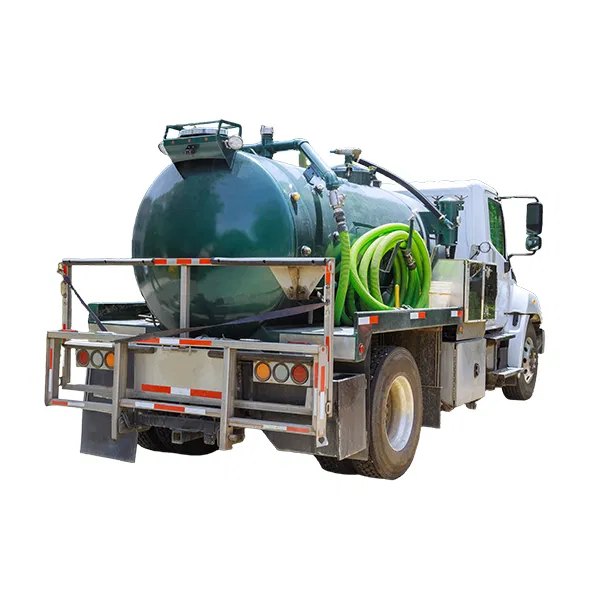
Grease Trap Cleaning Dallas TX vacuum pump truck with suction hose ready for a kitchen grease trap pump-out

Grease cap creeping toward the outlet? Talk to a dispatcher now.

Call (945) 403-4764

Grease Trap Cleaning Dallas TX under Dallas Water Utilities' liquid waste rules

Grease rules in this city are enforced by Dallas Water Utilities through its Pretreatment and Laboratory Services Division, which runs the Liquid Waste Program. The legal backbone is Chapter 19, Article X of the Dallas City Code, which covers how grease traps are installed and operated and how grease waste is hauled and disposed of. Any commercial or institutional food service operation is expected to have a trap or interceptor sized under the Dallas Plumbing Code.

The service trigger is written into Section 19-126.2. An interceptor has to be fully emptied and cleaned by a licensed hauler at least every 90 days, and sooner whenever floating grease, oils and settled solids reach 25 percent of the unit. For a busy kitchen, the calendar is a ceiling, not a target. Partial skimming does not count; the city wants the whole volume removed, which is why we treat grease trap pumping as a full evacuation every time.

Haulers working inside the city must hold a TCEQ registration plus a city liquid waste transporter permit, issued per vehicle and renewed yearly. Every load moves on the city's five-part trip ticket, a manifest recording the generator, hauler, volume and disposal site, and transporters file those tickets with the Liquid Waste Program monthly. Keep your copy on site where an inspector can see it.

The city also takes part in the regional Defend Your Drains North Texas campaign: fats, oils and grease belong in a container, not the sink. Inspectors who find an overdue trap or missing tickets can issue a notice of violation, so steady grease trap cleaning is the cheapest way to stay off their list.
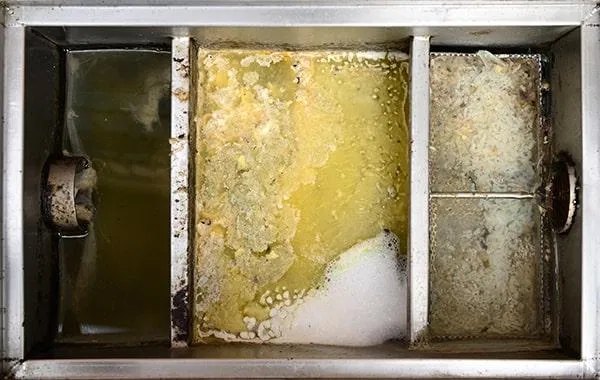
Stainless steel grease trap with internal baffles in a Dallas restaurant kitchen

Pump-out due this week? Get on the schedule with one call.

Call (945) 403-4764

Dallas neighborhoods and the grease trap loads they produce

Deep Ellum and Lower Greenville run on late-night bars, burger counters and pizza ovens, and the fryer oil from those kitchens shows up as a thick, pale cap that hardens fast once the line cools after closing. Uptown and the McKinney Avenue strip add brunch spots and steakhouses, where butter, beef fat and high dish volume on weekends push a trap toward its limit in a matter of weeks.

Bishop Arts in Oak Cliff mixes Tex-Mex, taquerias and bakeries in older buildings, so we see lard and masa solids alongside butter-heavy pastry waste, often in small traps tucked under prep sinks. The Asian Trade District along Harry Hines Boulevard and Royal Lane is a different load again: pho shops simmering bones all day, Korean barbecue, hot pot and dim sum. Broth fat emulsifies in hot water and drifts farther down the line, which is why interceptors in those plazas need careful attention to the outlet side.

The Design District and the Farmers Market area pair restaurants with commissary and catering kitchens, which means big batches and long washdowns. Oak Lawn and the Medical District bring hospital cafeterias and all-day diners, while the NorthPark Center area adds food court tenants sharing building infrastructure.

Barbecue joints across the city render a lot of brisket fat, and that tallow sets almost like wax in a cool trap. For these kitchens, grease interceptor cleaning with wall scraping matters as much as the pump-out.

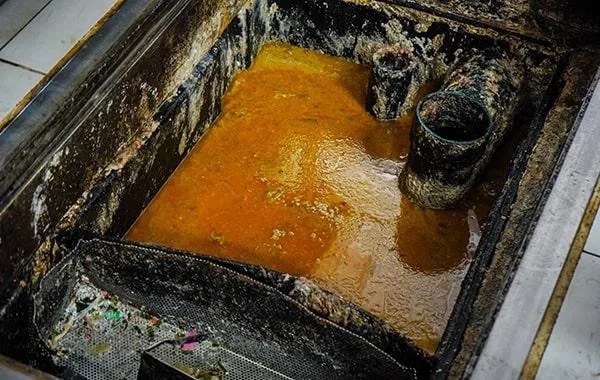
Open grease trap filled with orange grease and pipes at a Dallas restaurant

Overflowing trap or a backed-up floor drain? We answer around the clock.

Call (945) 403-4764

What Dallas weather, soil and events mean for a grease trap

North Texas summers push wastewater temperatures up, which softens grease and lets more of it slip past the baffles in an overloaded trap. The February 2021 winter storm showed the opposite problem: frozen lines and kitchens restarting with grease set solid in cold traps and laterals. After any hard freeze we recommend a check before the dinner rush returns.

Much of the city sits on expansive black clay that swells when wet and shrinks in drought. That movement cracks older clay laterals and shifts outdoor interceptor lids, especially along prewar commercial strips in Oak Cliff and East Dallas. Spring storms add inflow, so a trap that looked fine in March can be surprisingly full after a wet April.

Event traffic is the other wild card. The State Fair of Texas at Fair Park runs more than three weeks each fall, and concession stands, nearby restaurants and caterers all feel the surge. Cotton Bowl games, downtown conventions and holiday weekends in Uptown do the same on a smaller scale, so book a pump-out right before a big event.

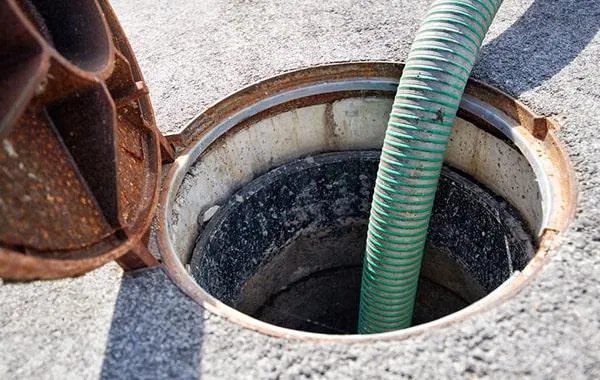
Manhole grease interceptor being serviced with a green suction hose in Dallas

Inspector visit coming up? Call and we will set the date.

Call (945) 403-4764

A typical Dallas grease trap service visit

Most visits are scheduled before opening or after close so the kitchen keeps cooking. We arrive with a vacuum truck sized for the job, confirm the trap location and lid type with your manager, and cone off the work area.

The trip ticket is completed on site and a copy stays with you. If we spot cracked tees, a damaged baffle or a lid that no longer seats, we note it so you can fix it before an inspector does. Routine grease trap cleaning on a fixed calendar keeps those surprises rare.

  • Measure the grease cap and solids before pumping
  • Pump every compartment completely, not just the top layer
  • Scrape walls and baffles and clear inlet and outlet tees
  • Inspect lids, gaskets and fittings for damage
  • Fill out the five-part trip ticket and leave your copy

Need a full pump-out tonight after close? Crews run 24/7.

Call (945) 403-4764

Grease Trap Pumping in Dallas, TX

For restaurants from Deep Ellum bars to Bishop Arts cafes, we pump indoor and under-sink traps completely, removing grease, food solids and gray water in one visit. Each pump-out is logged on a city trip ticket so your records line up with the 90-day and 25 percent requirements in Chapter 19 of the Dallas City Code.

How grease trap pumping works →

Grease Interceptor Cleaning in Dallas, TX

Outdoor interceptors behind Dallas plazas, hospitals and food courts collect hardened grease on walls, baffles and tees. Our crews pump the unit, scrape built-up fat, clear the inlet and outlet, and confirm the baffle wall is intact. It suits barbecue kitchens and pho shops whose grease sets hard or drifts toward the outlet.

How interceptor cleaning works →

Grease Interceptor Pumping in Dallas, TX

We bring vacuum trucks sized for in-ground interceptors from 500 to several thousand gallons, common in shopping centers along Harry Hines and around NorthPark. The full volume goes to a permitted disposal site, and the manifest records gallons, generator and destination for Dallas Water Utilities inspectors.

How interceptor pumping works →

Ready for a full pump-out with a signed trip ticket? Call us.

Call (945) 403-4764

Our Dallas grease trap service area

We cover the whole city, from downtown and the Arts District out to Lake Highlands, Pleasant Grove, Oak Cliff, Preston Hollow and Far North Dallas near the tollway. Shopping centers, hospital campuses and stand-alone restaurants all get the same full pump-out.

Questions about your trap size or interval? Ask a technician.

Call (945) 403-4764

Grease Trap Cleaning Dallas TX: frequently asked questions

How do I work out how often my trap should be serviced under the Dallas 90-day and 25 percent rules?

Measure how many days it takes your grease and solids to reach about a quarter of the trap's depth, then set service a little before that point. If the answer is longer than 90 days, Dallas code still caps you at 90. A Deep Ellum bar with heavy fryer use may land at three or four weeks, while a small coffee counter can usually run the full quarter.

What information goes on the Dallas five-part trip ticket?

The ticket records the generator's name and service address, the hauler and truck, the date, the number of gallons removed, the type of waste and the permitted site where the load was discharged. Several copies split between the generator, hauler, disposal site and the city. Keep yours on site so a Dallas Water Utilities inspector can match it against your service history.

What should I do if my trap overflows during a Friday rush in Uptown?

Stop running water to the affected sinks and dish machine, keep staff away from slick floors, and call (945) 403-4764 right away. If grease is coming up through a floor drain or an outside manhole, avoid hosing it toward a storm inlet. Once the trap is pumped down, we check the outlet line to see whether a blockage downstream caused the backup.

Does Dallas Water Utilities or the plumbing inspectors handle my grease trap?

Dallas Water Utilities handles it through the Pretreatment and Laboratory Services Division and its Liquid Waste Program. Inspectors review trap condition, service frequency and trip tickets, and they also permit the transporters who haul grease waste. Sizing and installation questions go through the city's plumbing inspection staff, since trap size is set by the Dallas Plumbing Code.

Do restaurants in the Harry Hines Asian Trade District need extra attention on their interceptors?

Often, yes. Pho, ramen and hot pot kitchens produce hot, fatty broth that stays emulsified longer than fryer oil, so some of it travels toward the outlet before separating. We pay close attention to the outlet tee and the downstream side in those plazas, and many owners there choose shorter intervals than a typical sandwich shop would need.

How should a Deep Ellum bar with a late kitchen schedule its service?

Most late-night spots prefer early morning visits, after close and well before deliveries start. That gives the truck room in narrow alleys off Elm and Main and keeps the work away from customers. Because fryer volume is high and nights run long, monthly service is common, but the 25 percent measurement is what should set your interval.

Can you service traps in older Bishop Arts buildings with tight access?

Yes. Many Bishop Arts kitchens sit in converted storefronts with small traps under prep sinks or in narrow back hallways. We run longer hose from the street or alley, protect floors along the route, and pump the unit completely. If a lid is buried under shelving or flooring, let us know ahead of time so the visit goes quickly.

Should I schedule a pump-out before the State Fair of Texas?

If your kitchen is near Fair Park or caters fair events, yes. The fair runs for more than three weeks and brings a steep rise in meals served. Pumping right before opening day gives you the whole trap capacity for the surge, and a second visit partway through is worth considering for high-volume operations.

Do Medical District hospitals and cafeterias follow the same rules as restaurants?

Yes. Dallas code applies to institutional food service, so hospital cafeterias, clinic kitchens and staff dining rooms around the Medical District need properly sized interceptors and regular service. These facilities run around the clock, so we plan visits around meal service and coordinate with facilities managers on loading dock access and infection control.

Does the black clay soil around Dallas affect outdoor interceptors?

It can. Expansive clay swells after heavy rain and shrinks in drought, which shifts lids, cracks concrete collars and stresses older laterals. During service we look for lids that no longer sit flat, gaps around risers and signs of groundwater getting in. Catching those early is cheaper than repairing a collapsed line under a parking lot.

Do NorthPark-area food court tenants share one interceptor?

In many centers around NorthPark and other large Dallas malls, several tenants drain into a shared interceptor managed by the property. Responsibility for service and paperwork usually depends on the lease. We can work directly with property managers on a schedule that covers the whole unit, so one heavy user does not put every tenant out of compliance.

Is grease trap cleaning in Dallas different from recycling used fryer oil?

Yes. Used fryer oil collected in a bin out back is a recyclable product, while trap waste is a mix of grease, water and food solids that must go to a permitted disposal site under a trip ticket. Recycling fryer oil keeps less grease out of your drains, but it does not replace the required trap service.

One call books the truck, the crew and the paperwork.

Call (945) 403-4764

Grease trap service in cities near Dallas

Our crews also work across the suburbs that surround Dallas. Pick a city below for local rules and service details.

Kitchen drains slowing down? Call before it backs up.

Call (945) 403-4764
Call now