Grease Interceptor Cleaning
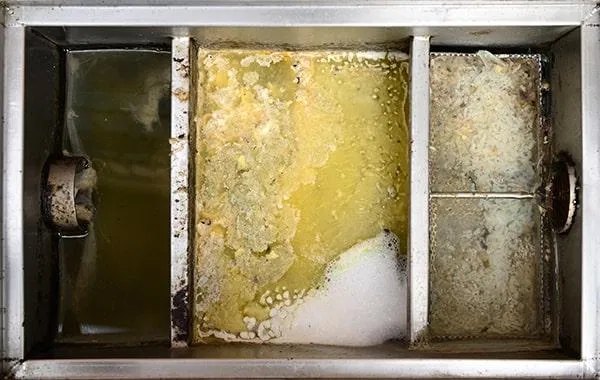
A grease interceptor is the large version of a grease trap: a buried concrete, steel or fiberglass tank, often holding 500 to several thousand gallons, that serves a whole restaurant, a food court or a hospital kitchen. Cleaning one is a bigger, slower job than servicing an under-sink trap.
Inspector visit coming up? Call and we will set the date.
Call (945) 403-4764What interceptor cleaning involves
After the tank is pumped down, the crew scrapes hardened grease from the walls and baffles, loosens compacted solids from the floor and clears the inlet and outlet pipes. Sample ports and access risers are cleared as well so future inspections are easy.
Because these tanks sit underground, the crew also looks for cracked concrete, corroded baffles and outlet pipes that have dropped or broken, all of which let grease slip into the public sewer.
- Scrape walls and baffles
- Break up and remove compacted solids
- Clear inlet, outlet and sample ports
- Note cracks, corrosion and missing parts
Need a full pump-out tonight after close? Crews run 24/7.
Call (945) 403-4764Why interceptors need full cleaning
Sulfide gas from rotting food solids attacks concrete and metal over time. A tank that is only partly emptied keeps that process going. Full cleaning on a schedule protects the tank, keeps odors down around patios and parking areas, and keeps discharge within local limits.
Ready for a full pump-out with a signed trip ticket? Call us.
Call (945) 403-4764Access and safety
Interceptor lids are heavy and often sit in parking lots or drive lanes. Crews use cones and lid lifters, and never enter the tank without confined-space procedures. Night or early-morning service keeps the work away from customers and traffic.
Questions about your trap size or interval? Ask a technician.
Call (945) 403-4764Related services
Interceptor cleaning pairs with a high-volume pump-out, and smaller indoor units follow a lighter routine. Compare the related services here.
One call books the truck, the crew and the paperwork.
Call (945) 403-4764Cities we serve
Interceptor rules, from outdoor placement to sampling ports, vary by city. Open your city page for the specifics.
Kitchen drains slowing down? Call before it backs up.
Call (945) 403-4764